Walking the Freedom Trail: A Winter Weekend in Boston
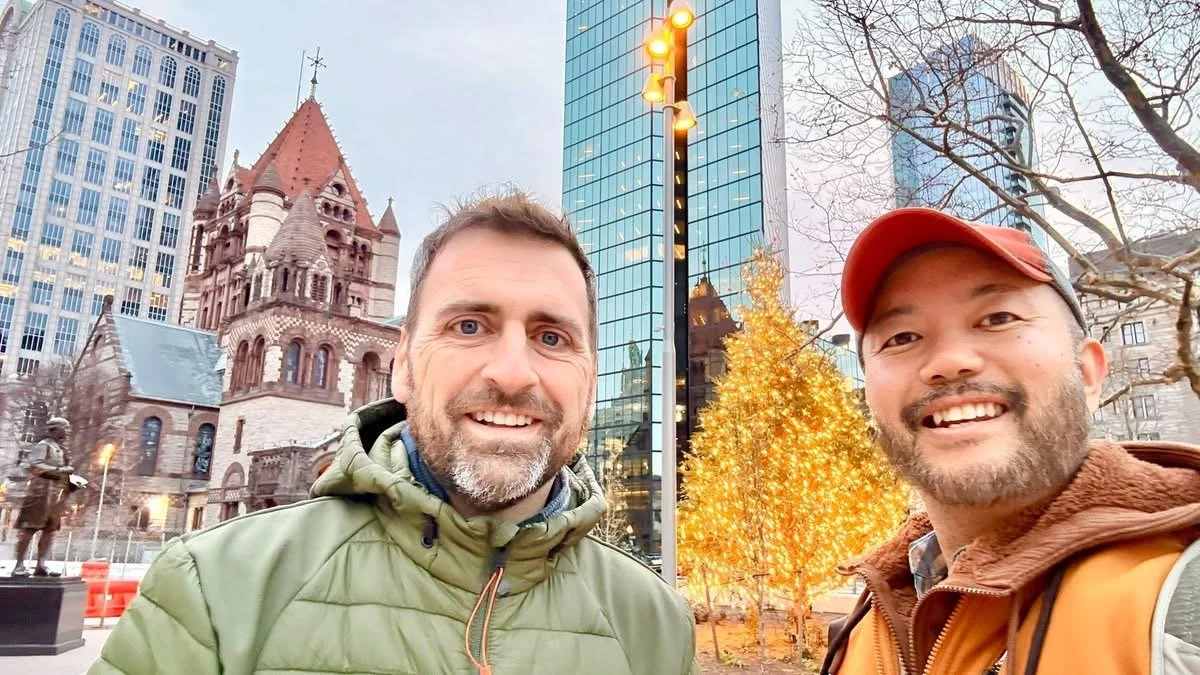
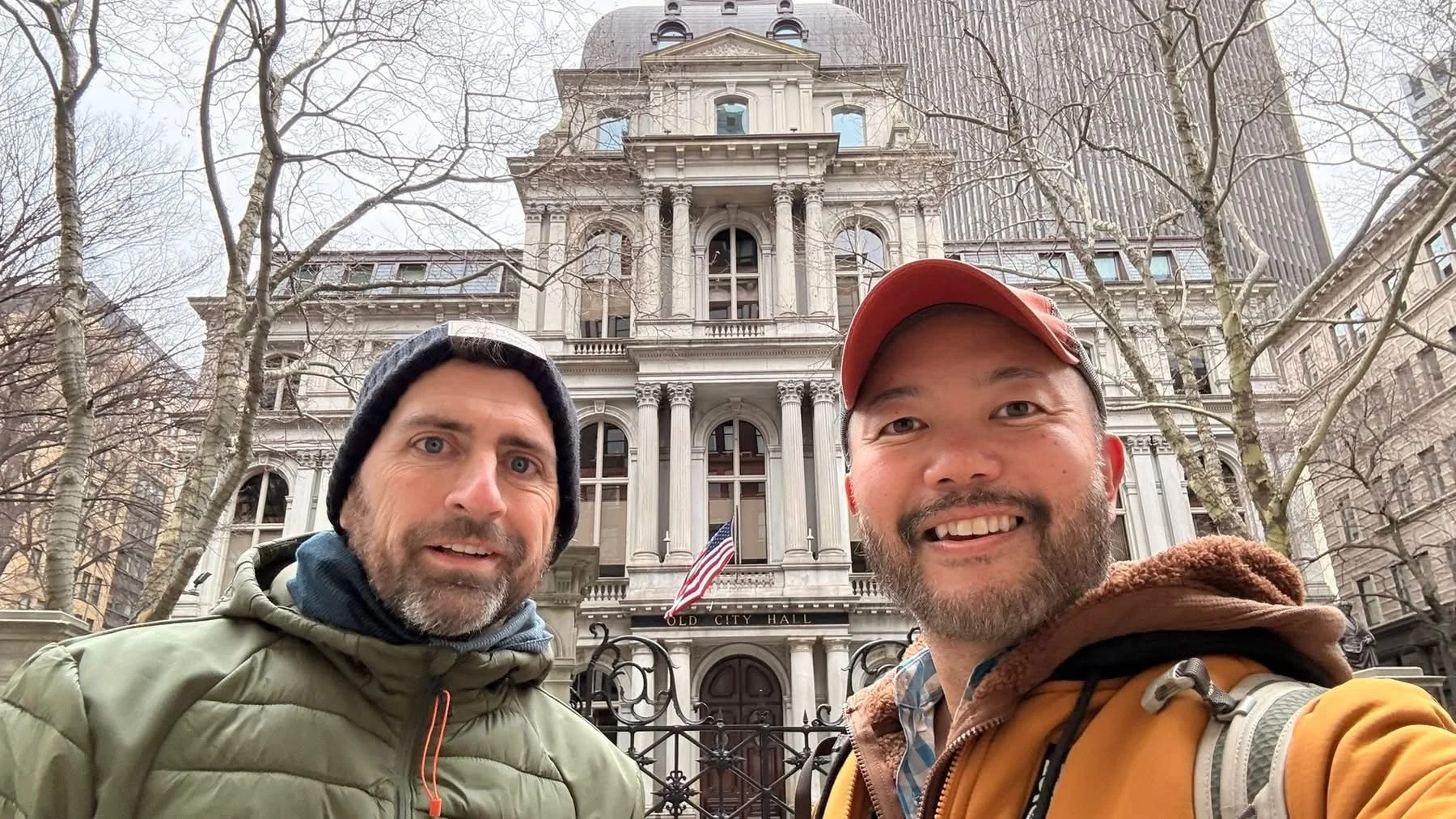
Boston is one of those cities where history isn’t tucked away behind museum glass — it’s written directly into the streets. This past weekend, Jay and I headed east for a quick winter escape and spent a full day walking the Freedom Trail, a 2.5-mile path that connects some of the most important sites in early American history.
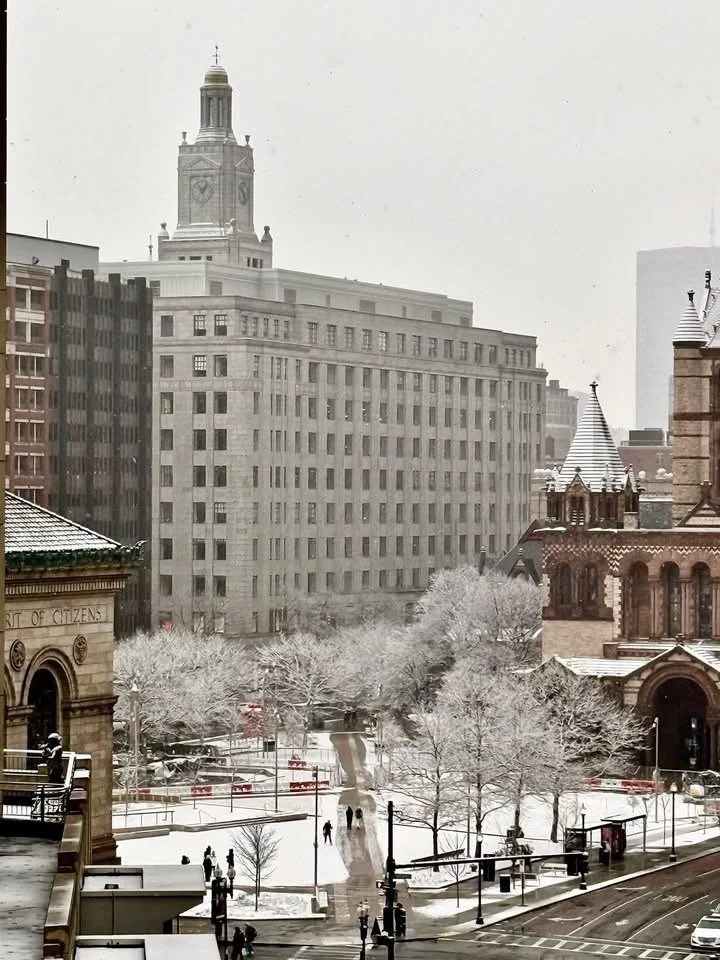
With bare trees, cold air, and fewer crowds, Boston in winter felt especially suited to slowing down and really taking it all in.
Following the Red Brick Line
We started at Boston Common, the oldest public park in the country, where the familiar red brick line begins guiding you through centuries of history. From there, the Freedom Trail unfolds naturally — no car, no rush, just one landmark leading to the next.
Along the way we passed:
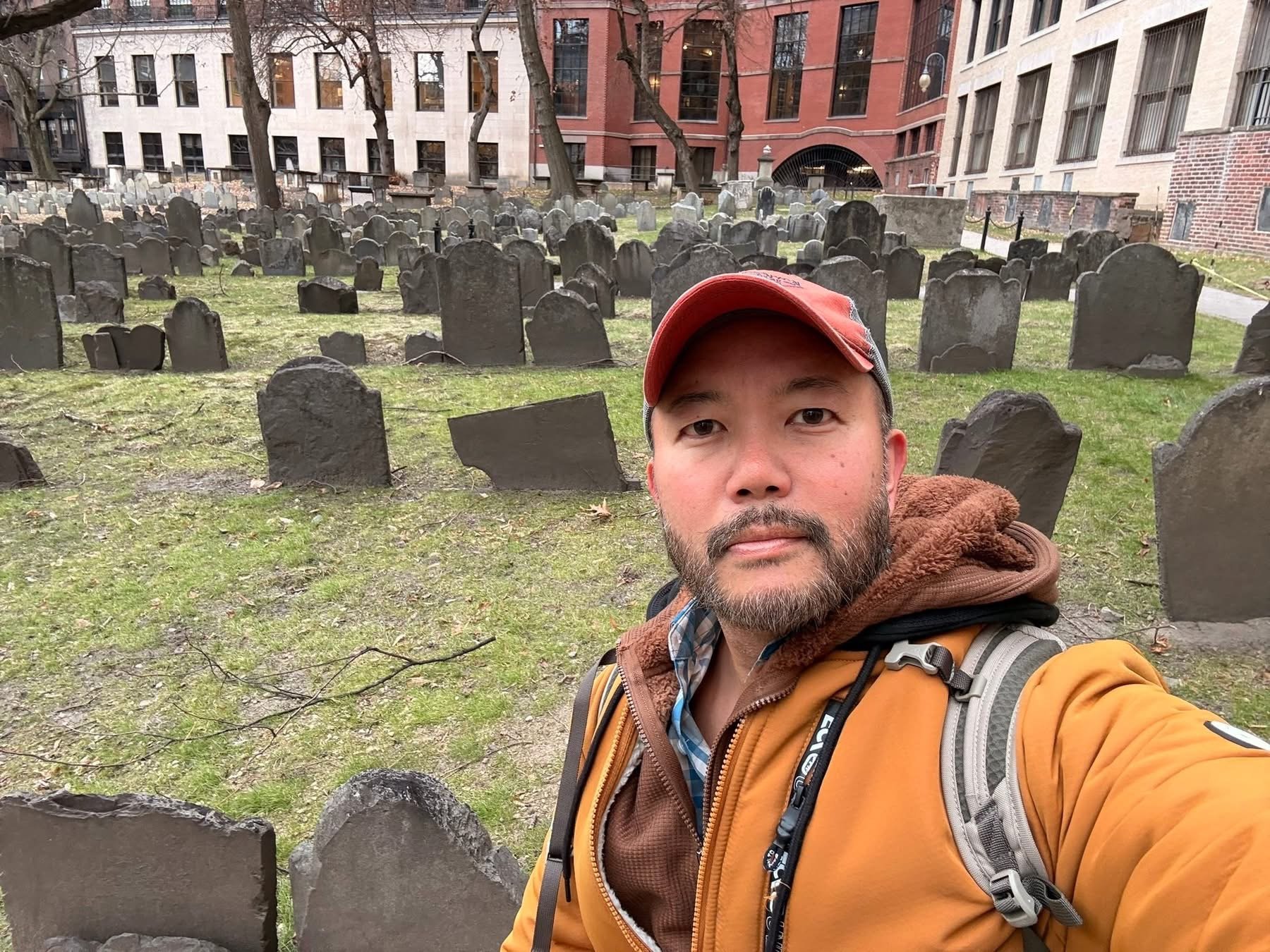
Granary Burying Ground, resting place of several Revolutionary-era figures
Old State House, once the seat of British colonial government
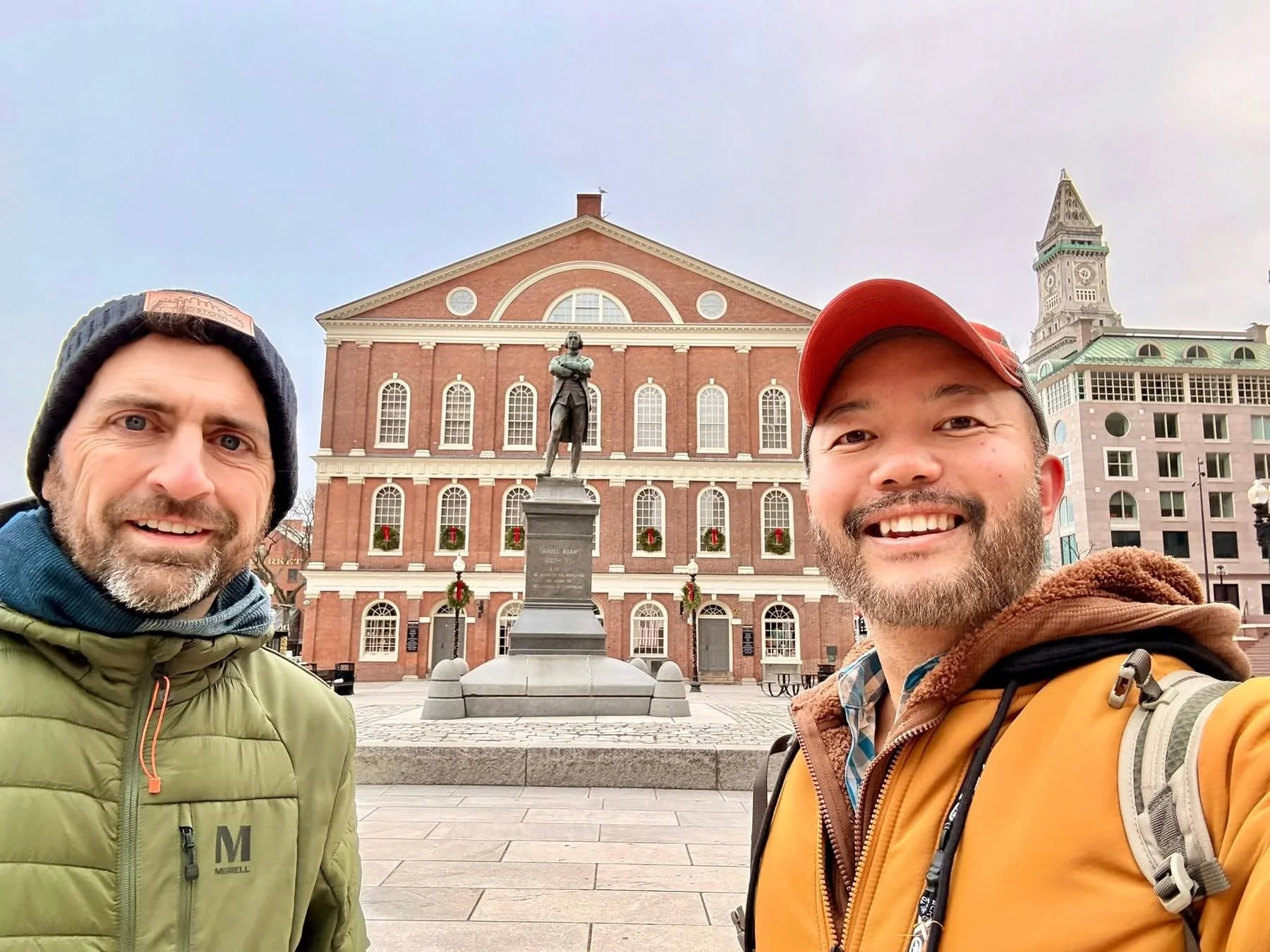
Faneuil Hall, long known as the “Cradle of Liberty”
As National Park stamp collectors, this stretch of Boston National Historical Park was especially rewarding. Ranger stations, interpretive exhibits, and stamps were scattered throughout the route, encouraging conversation and curiosity at nearly every stop.
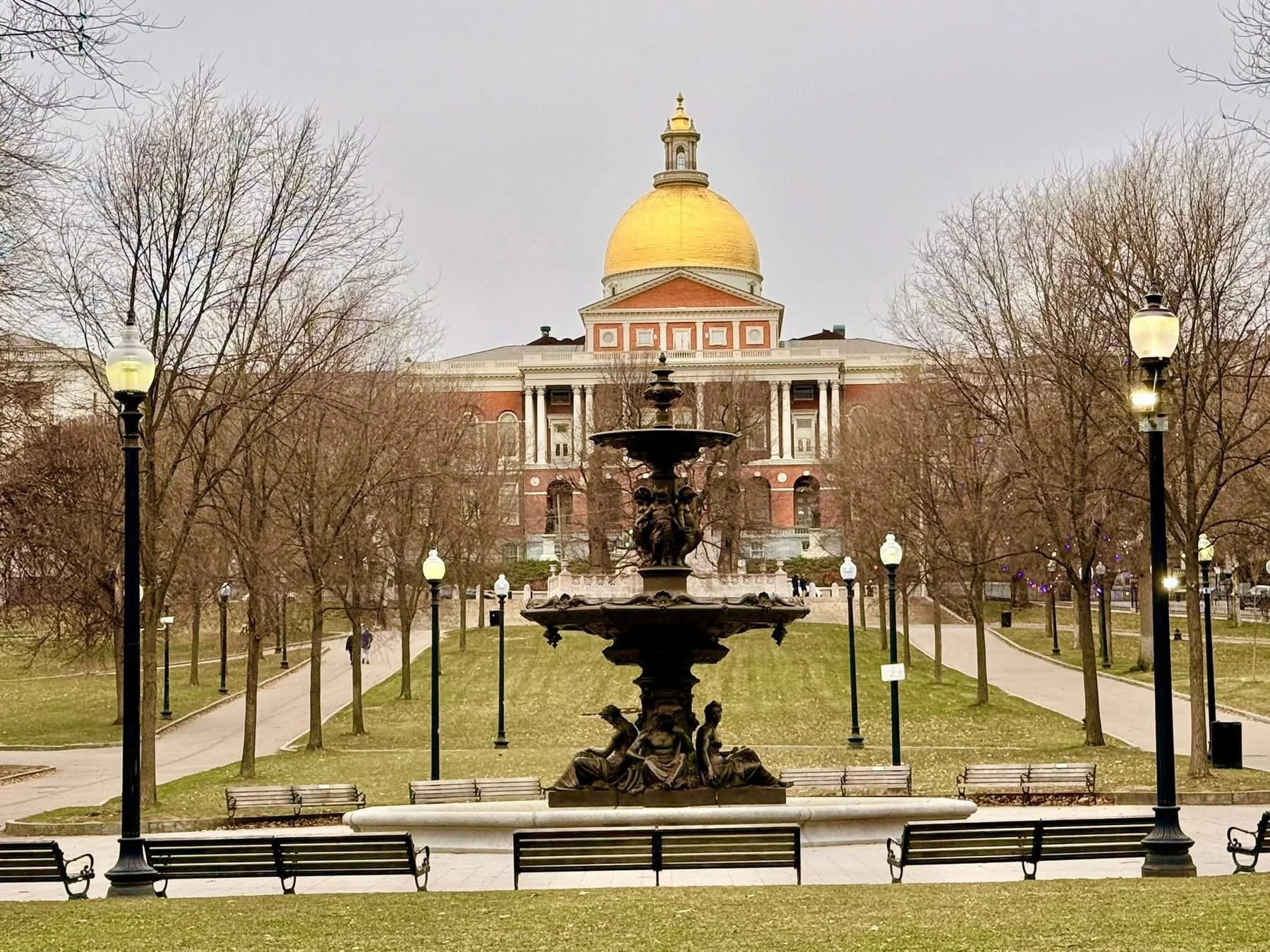
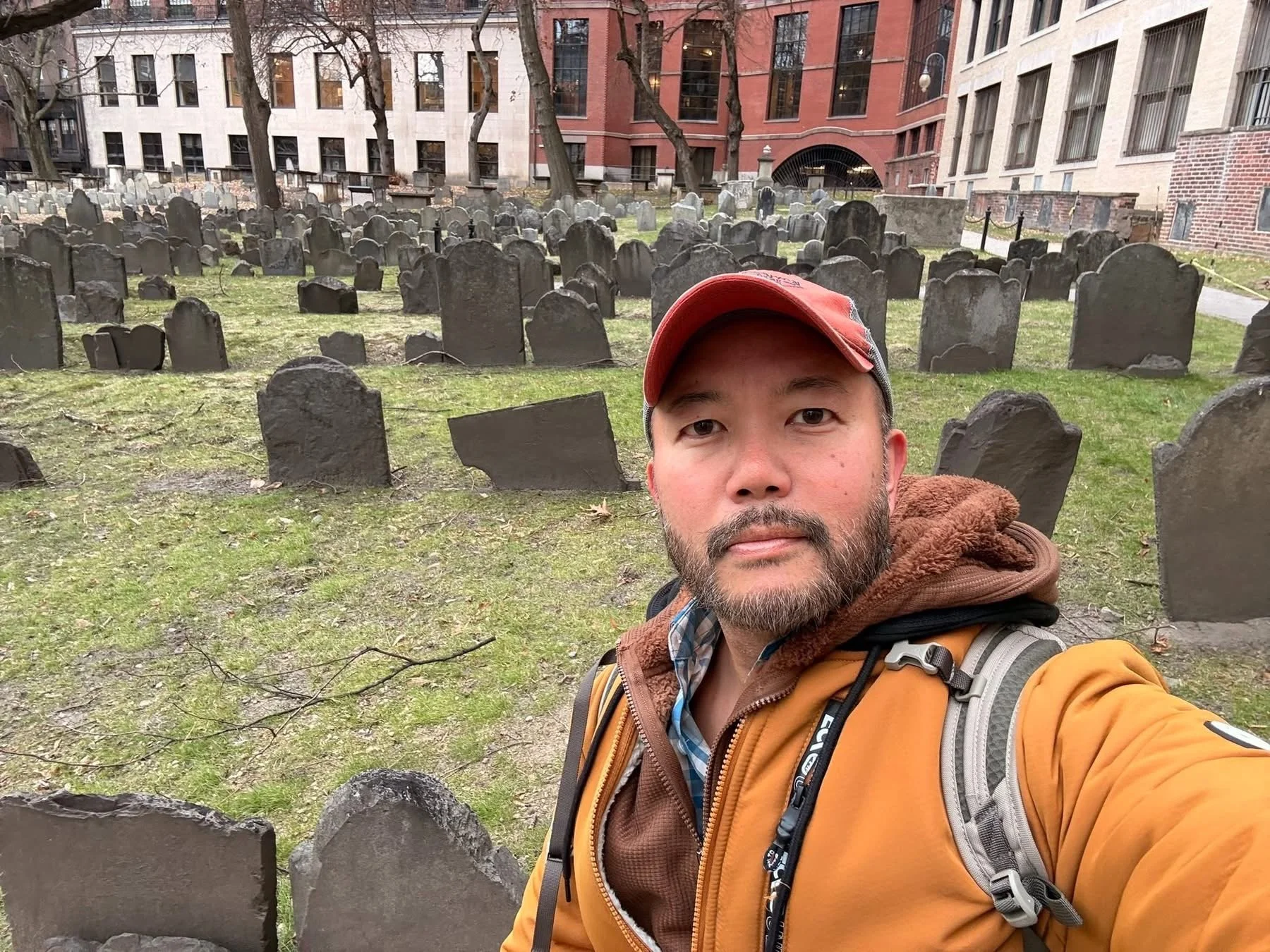
A Living History Moment at Faneuil Hall
Completely by chance, our visit coincided with the 252nd anniversary of the Boston Tea Party.
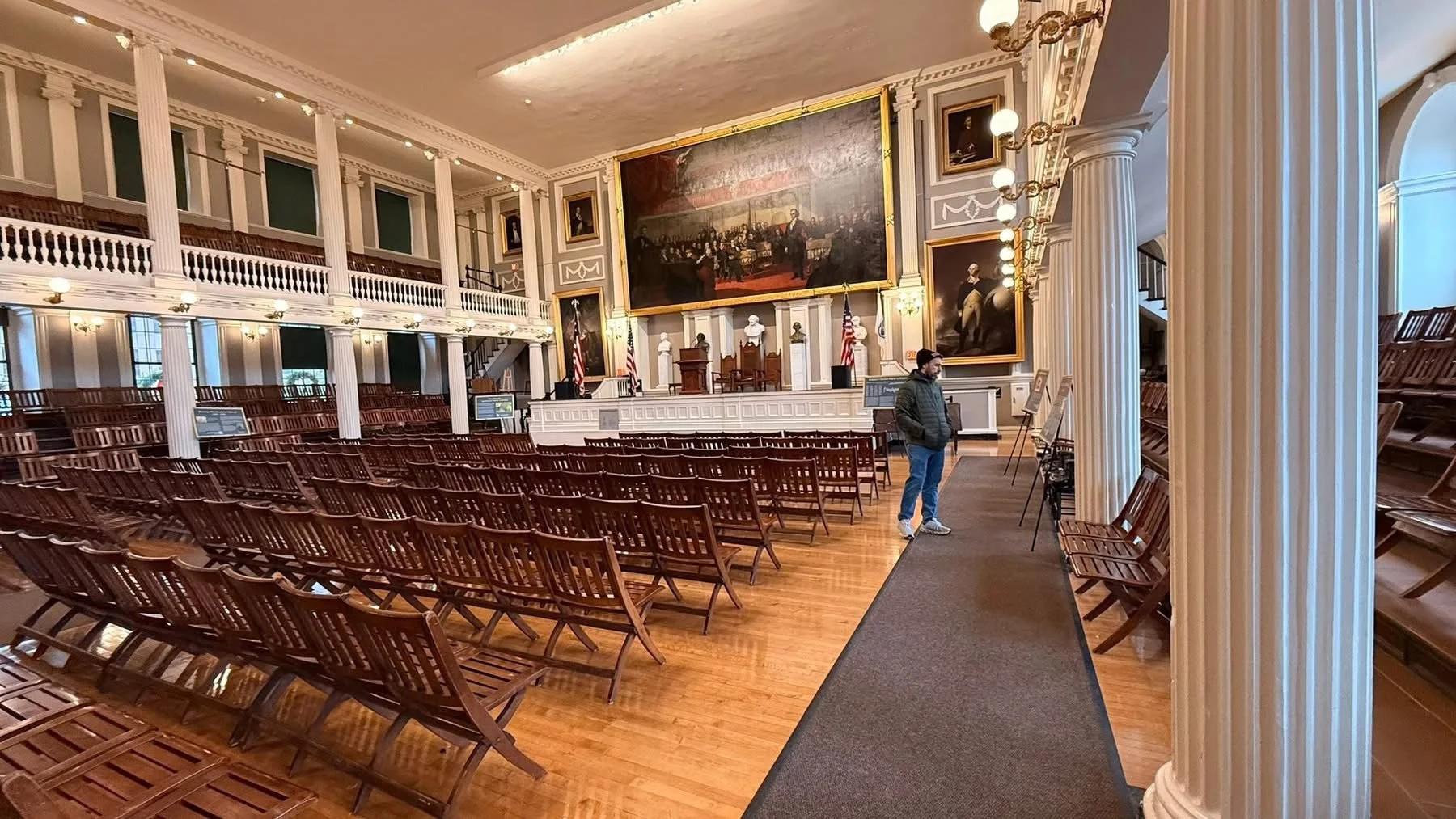
While inside Faneuil Hall, we were invited to take part in a live reenactment of a colonial town meeting. Rather than observing from the sidelines, visitors were encouraged to listen, respond, and participate — much like the debates that once filled this space in the years leading up to the Revolution.
Standing in the same hall where colonists gathered to discuss resistance, representation, and independence made the moment feel immediate and personal. History wasn’t just something being explained — it was something happening around us.
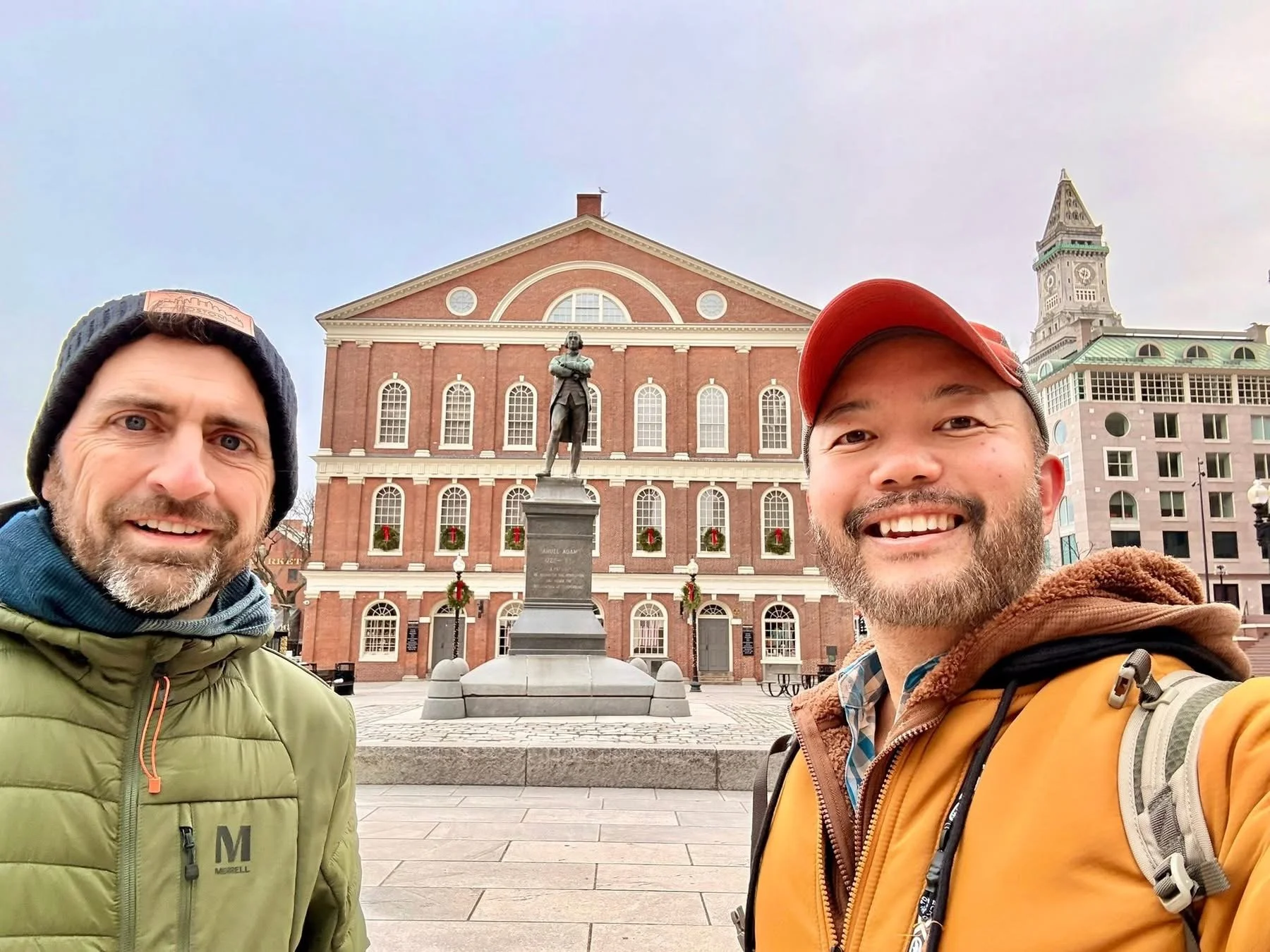
Lunch at Faneuil Hall Marketplace
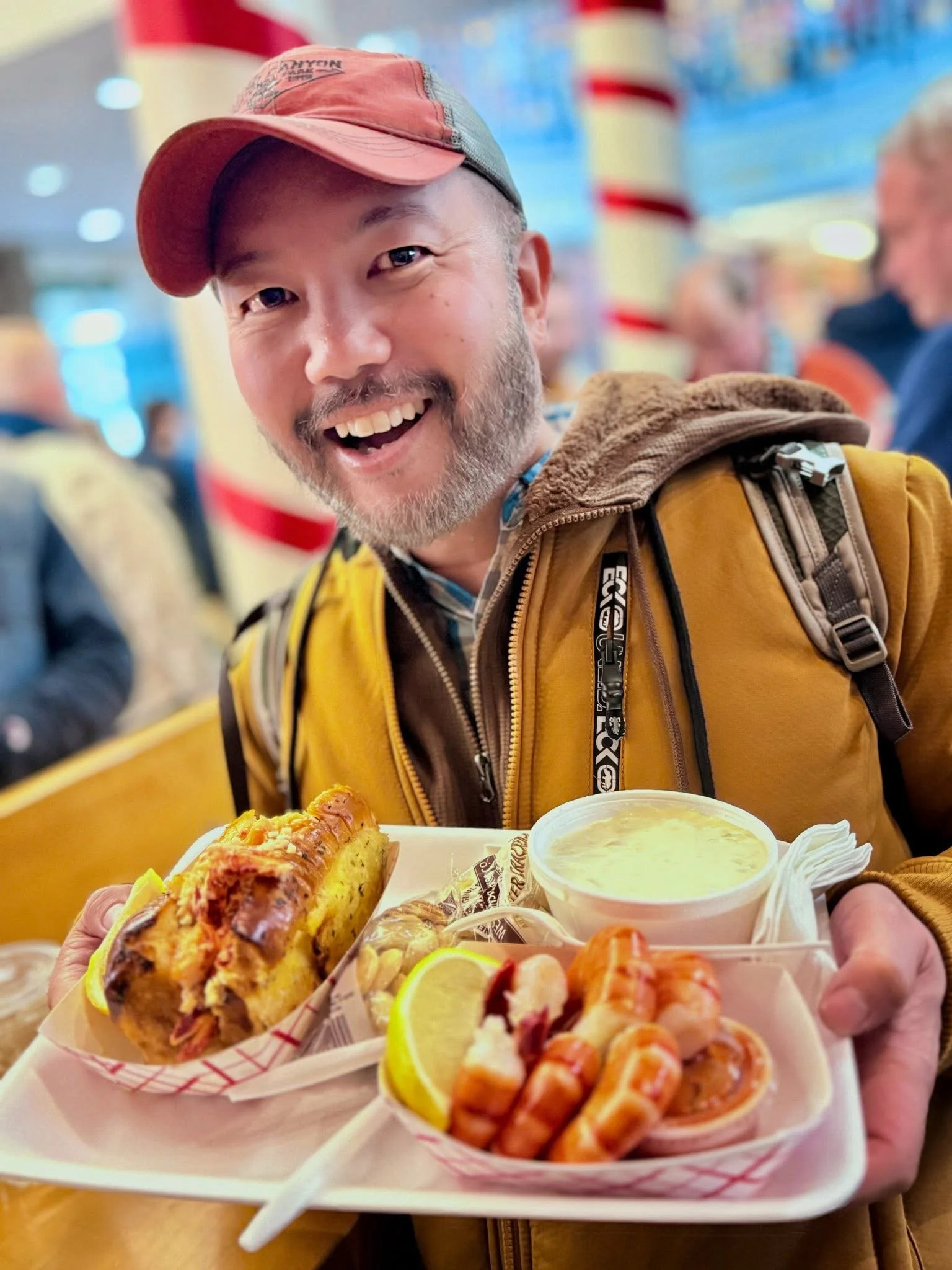
After hours of walking, we stopped for lunch at Faneuil Hall Marketplace, which felt like a natural continuation of the day rather than a break from it.
The marketplace was buzzing with energy — a mix of locals, visitors, and conversation echoing through one of Boston’s most historic gathering places. We grabbed classic Boston seafood, including lobster and shrimp, the kind of meal that feels especially satisfying after miles on foot.
Eating lunch inside a building so deeply tied to public discourse and community felt perfectly in sync with the Freedom Trail experience.

Walking Among Revolutionary Figures
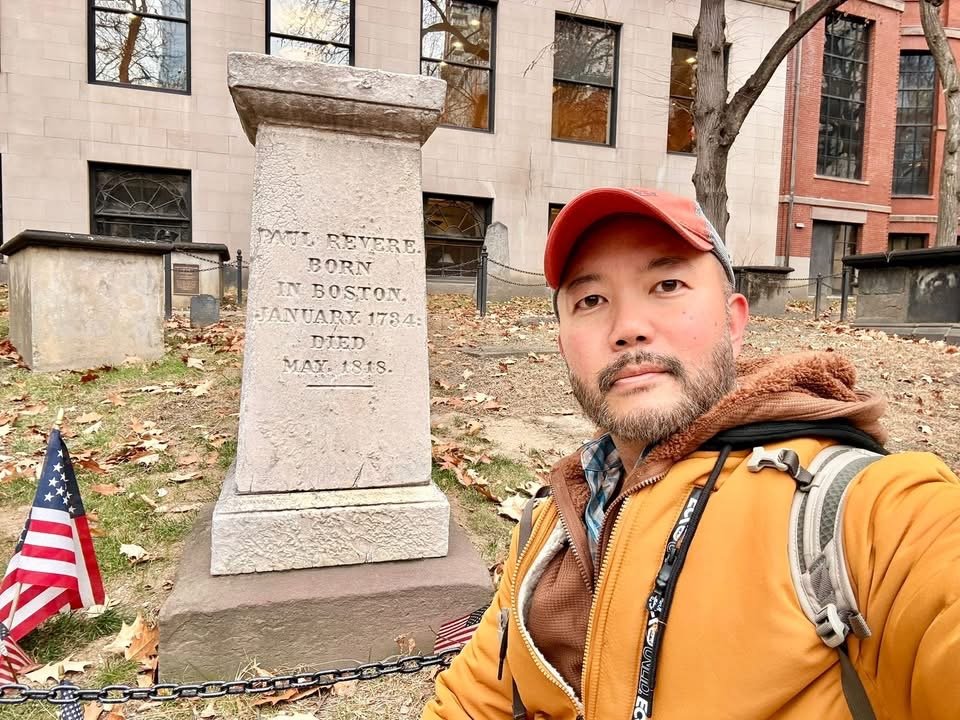
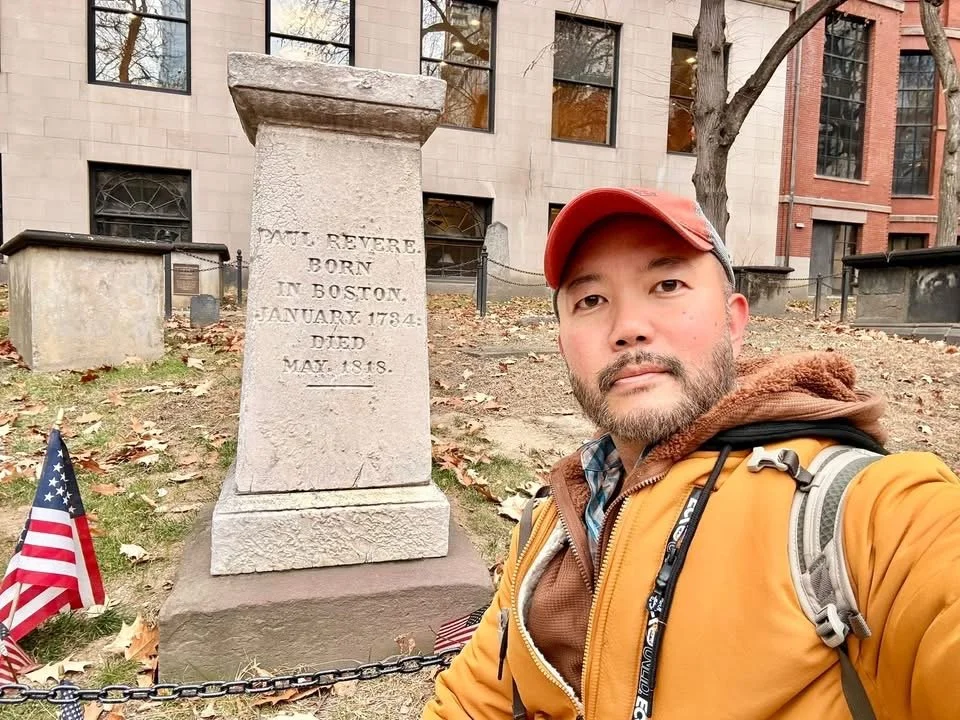
One of the most grounding moments of the day came at Granary Burying Ground, where we stopped at the grave of Paul Revere, born in Boston in 1734.
Seeing his name carved into stone — rather than printed in a textbook — made the history feel personal in a quiet, powerful way. The cemetery itself sits surrounded by modern buildings, a reminder that Boston’s past and present constantly overlap.
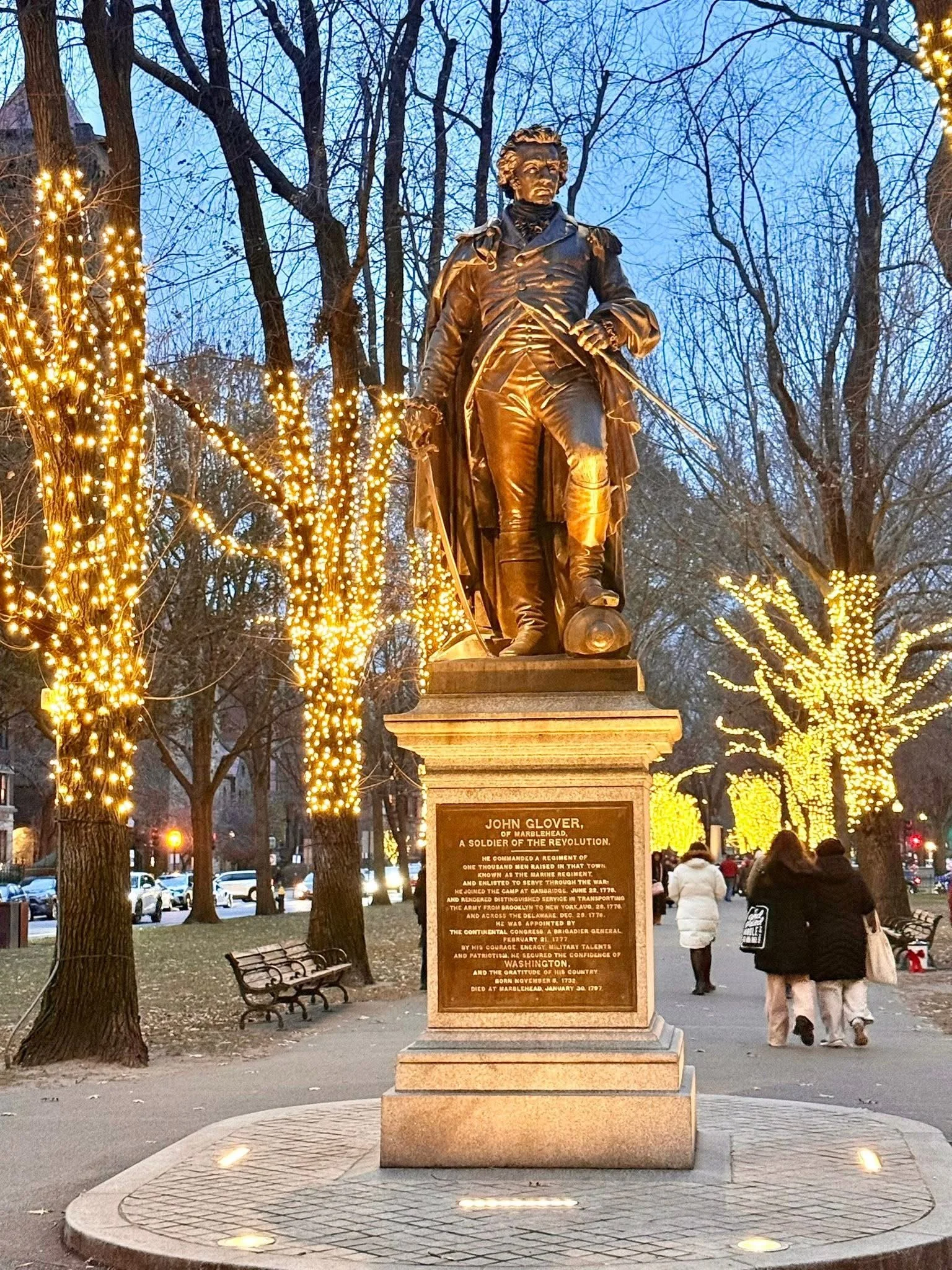
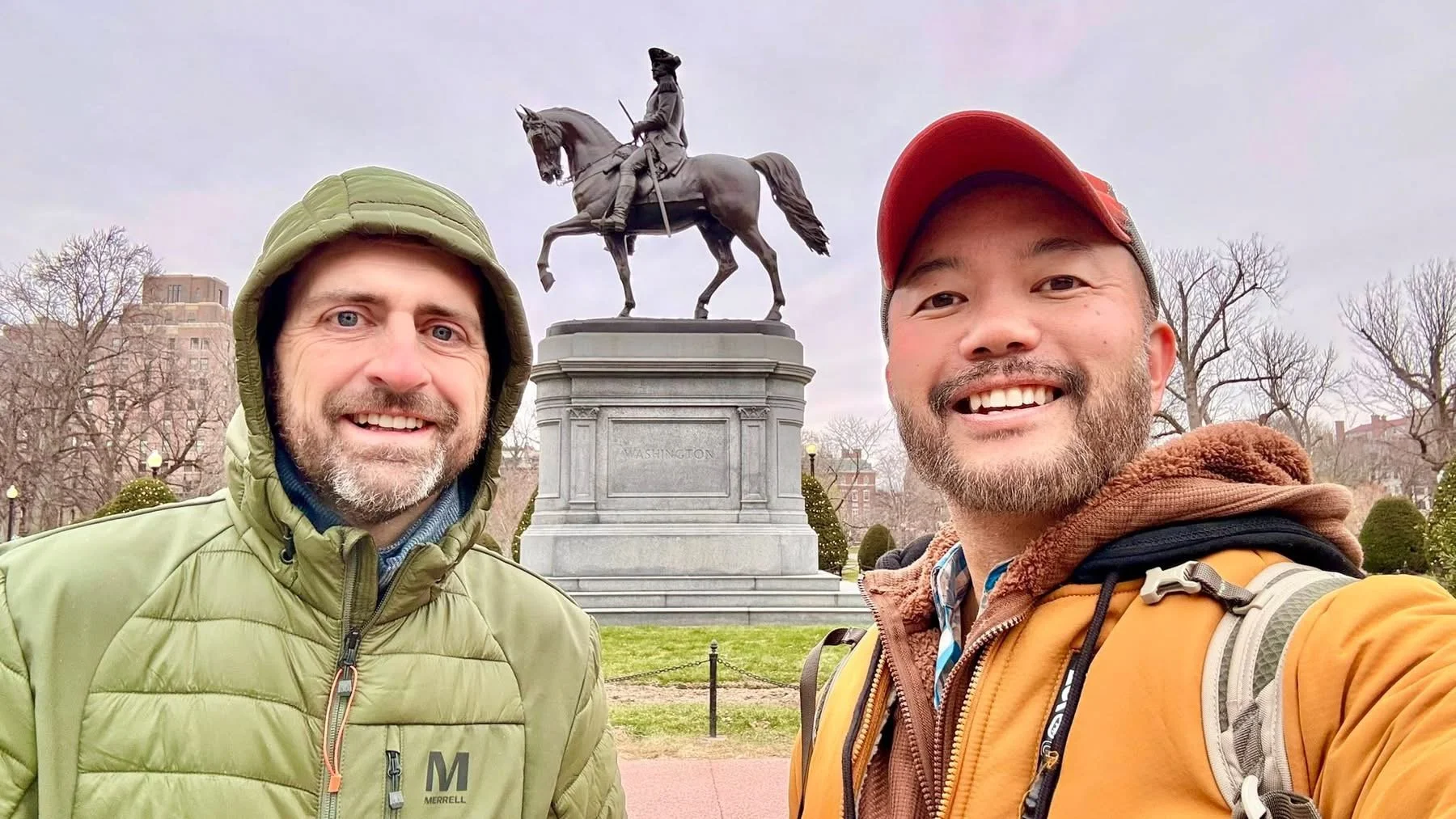
Nearby, the George Washington statue on Boston Common offered another moment of reflection. Standing beneath it, it wasn’t hard to imagine the city as it once was — uncertain, determined, and on the edge of something entirely new.
Climbing Toward History at Bunker Hill
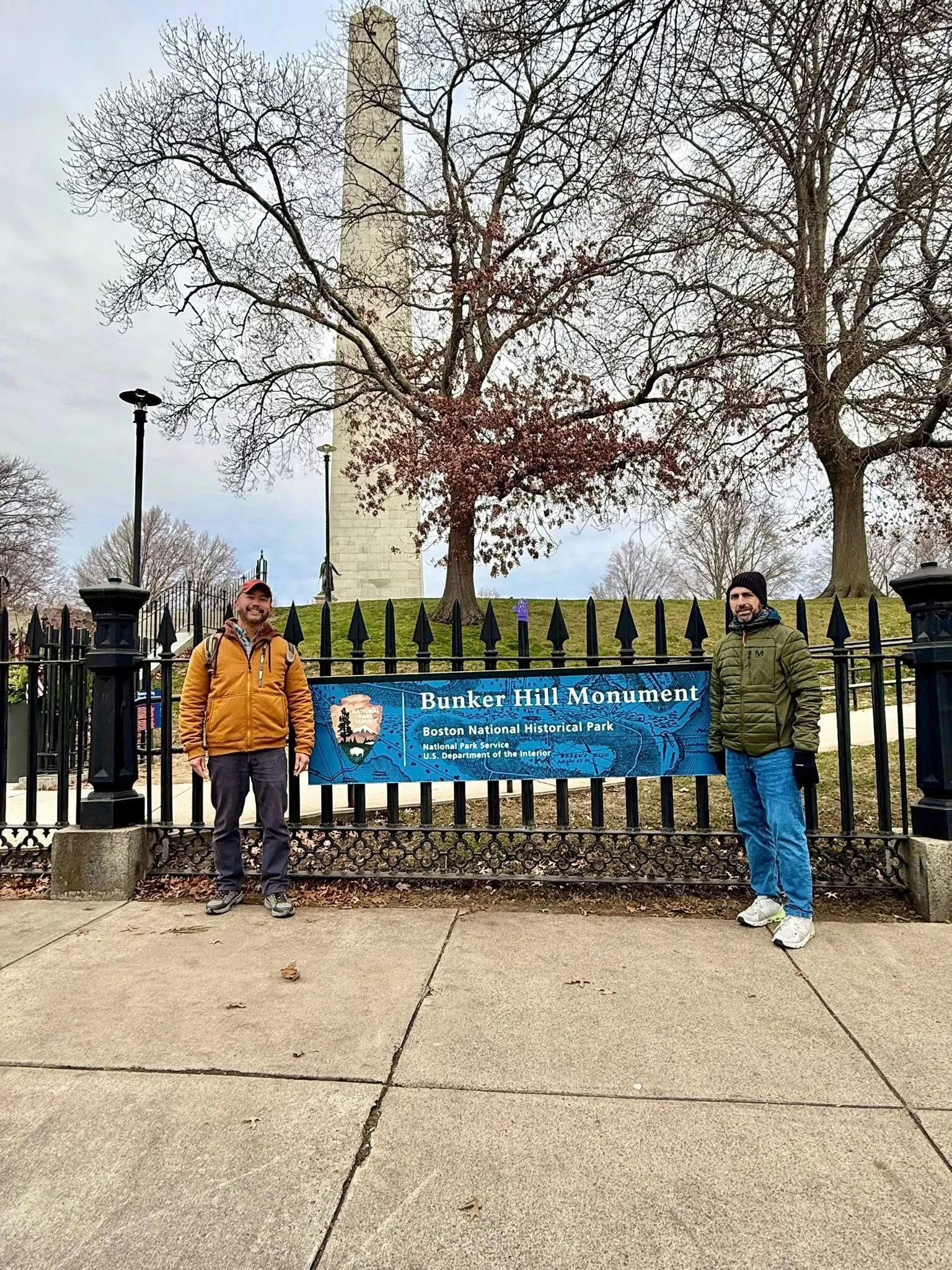
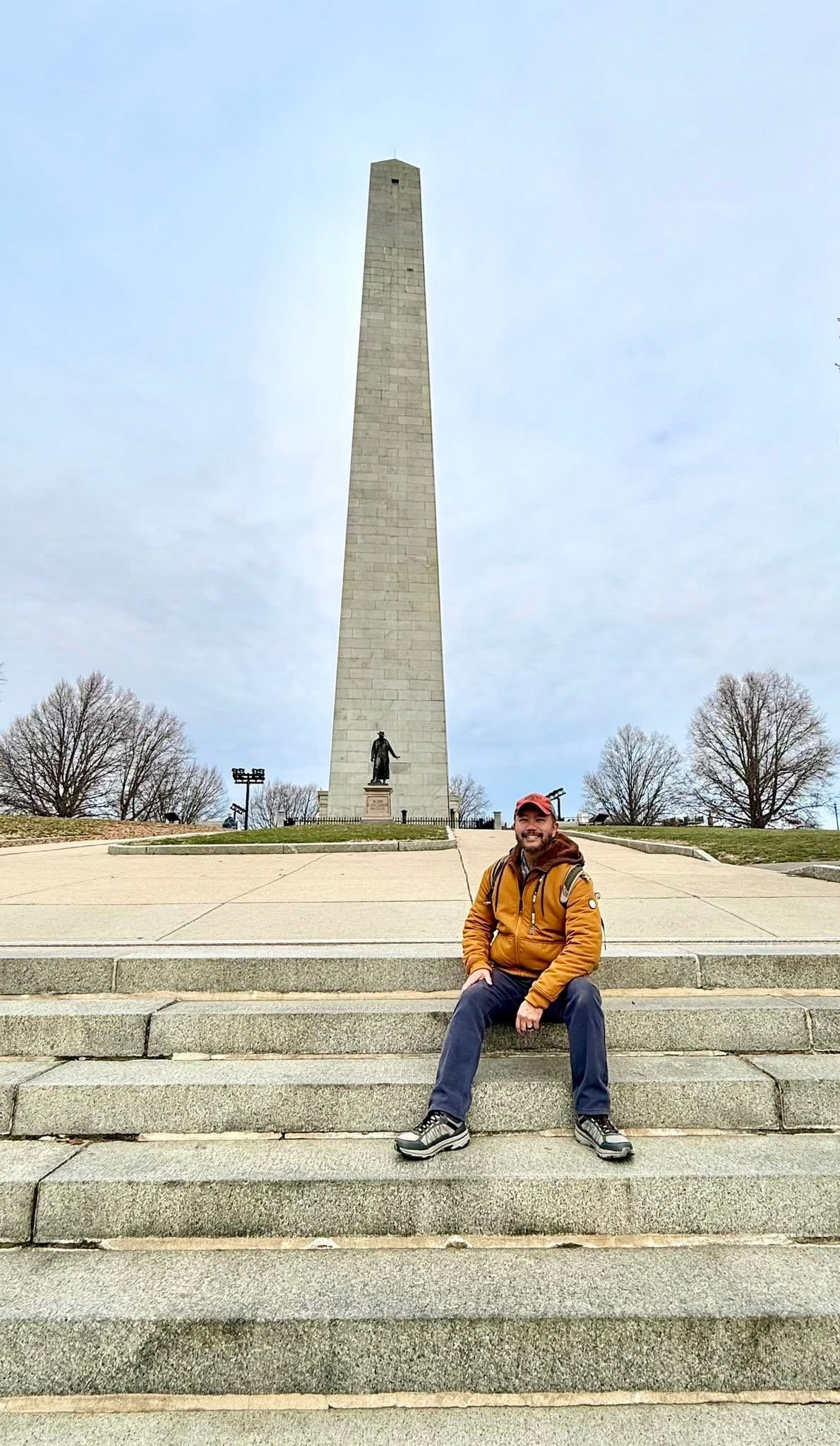
The Freedom Trail eventually leads across the Charles River into Charlestown, home to Bunker Hill.
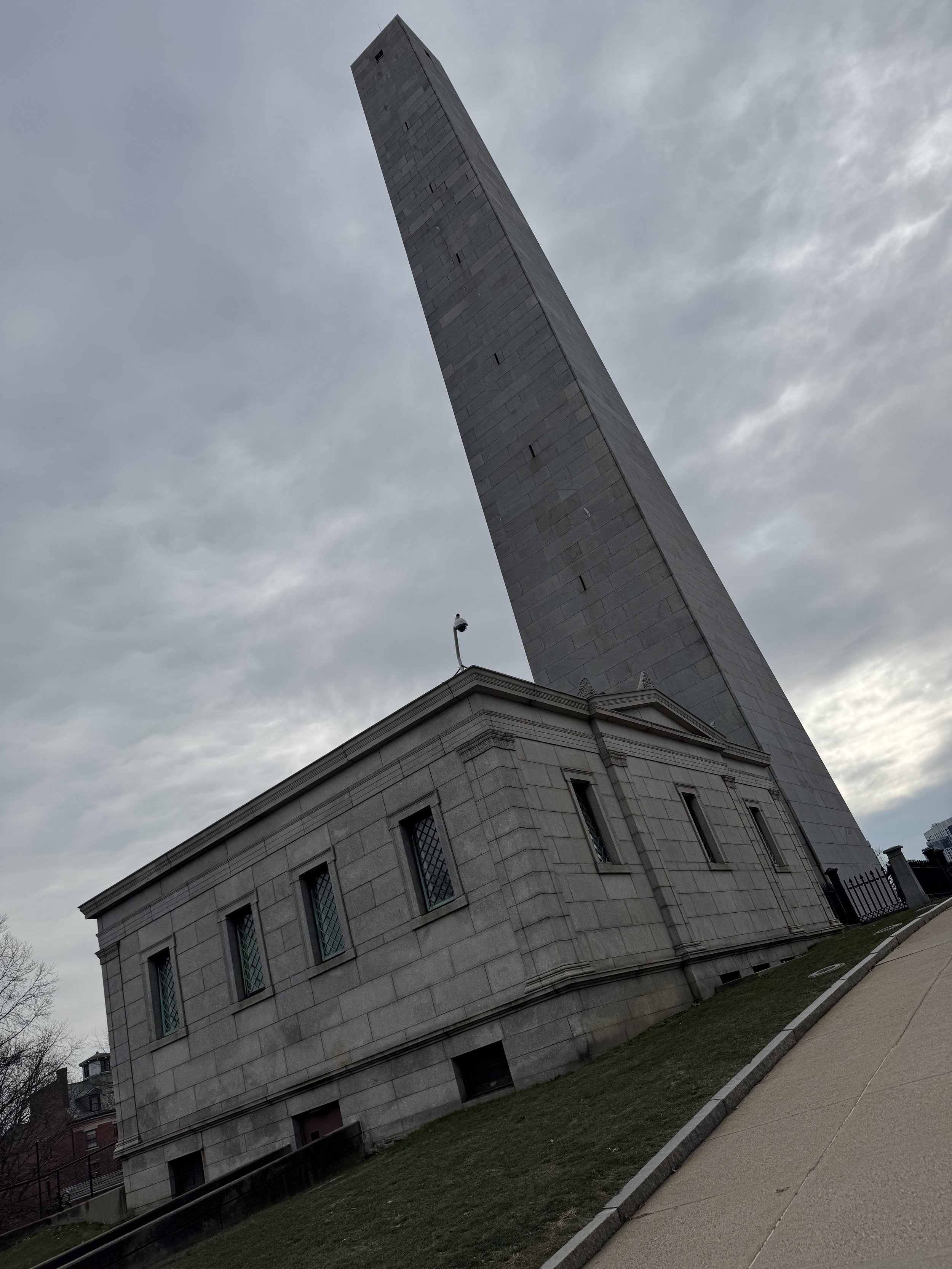
The Bunker Hill Monument rises dramatically above the neighborhood. Even without climbing to the top, standing at its base felt significant. Nearby, the Bunker Hill Museum adds important context to the battle and the people involved, emphasizing that the Revolution was complex, costly, and far from inevitable.
This portion of the walk felt quieter and more reflective — a fitting transition away from the bustle of downtown.
USS Constitution & the Charlestown Navy Yard
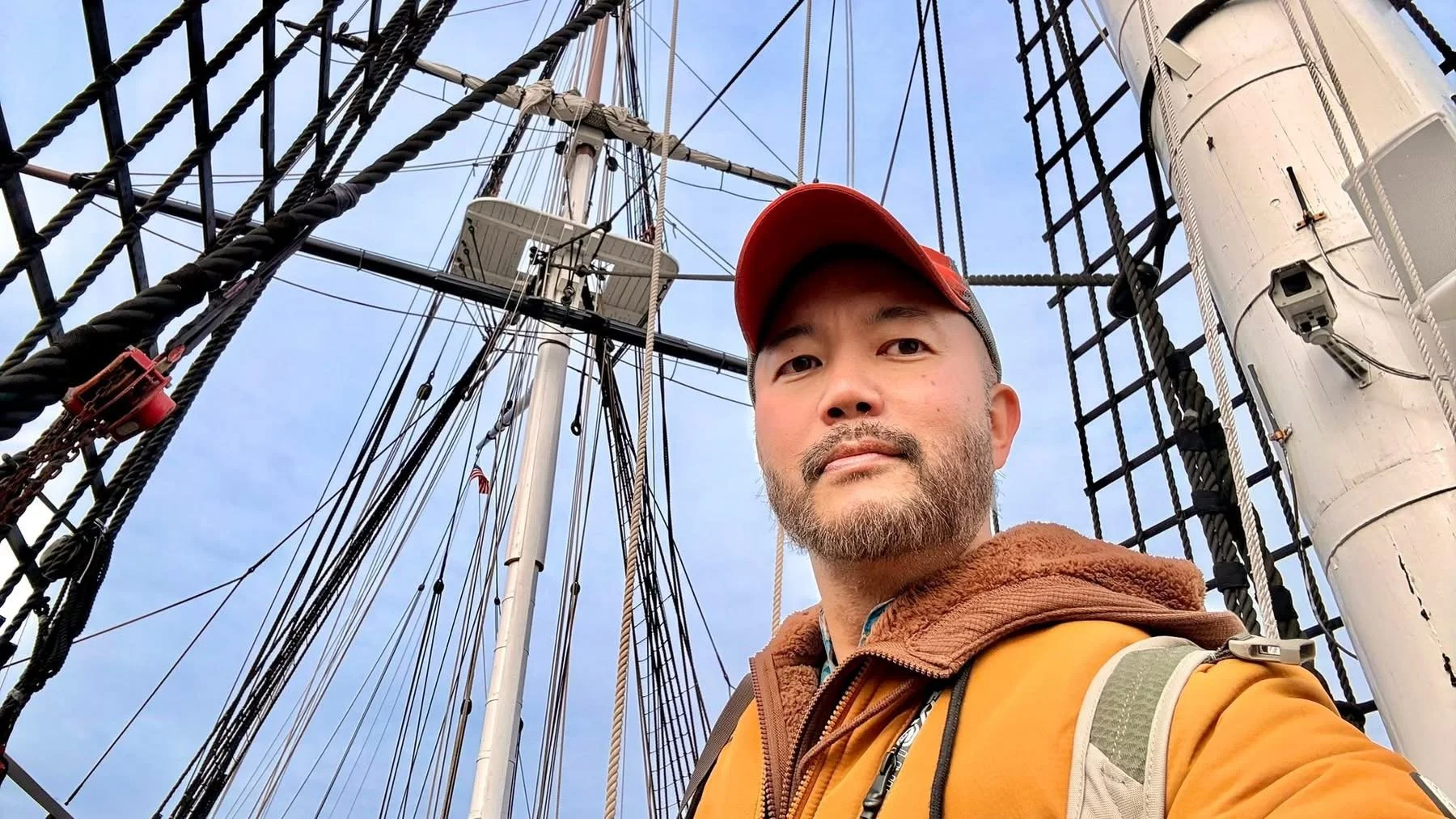
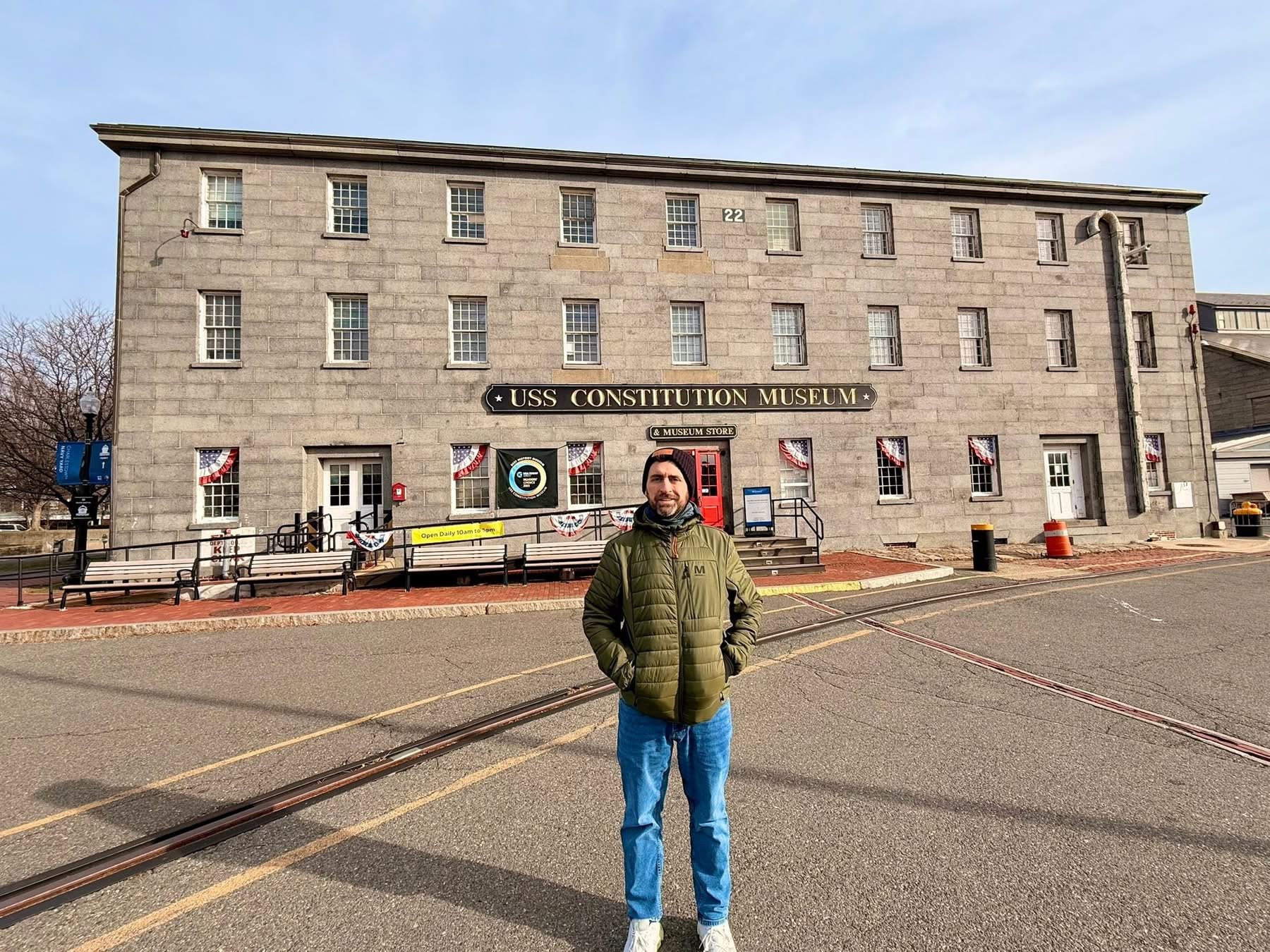
From Bunker Hill, we continued on to the Charlestown Navy Yard, another key section of Boston National Historical Park.
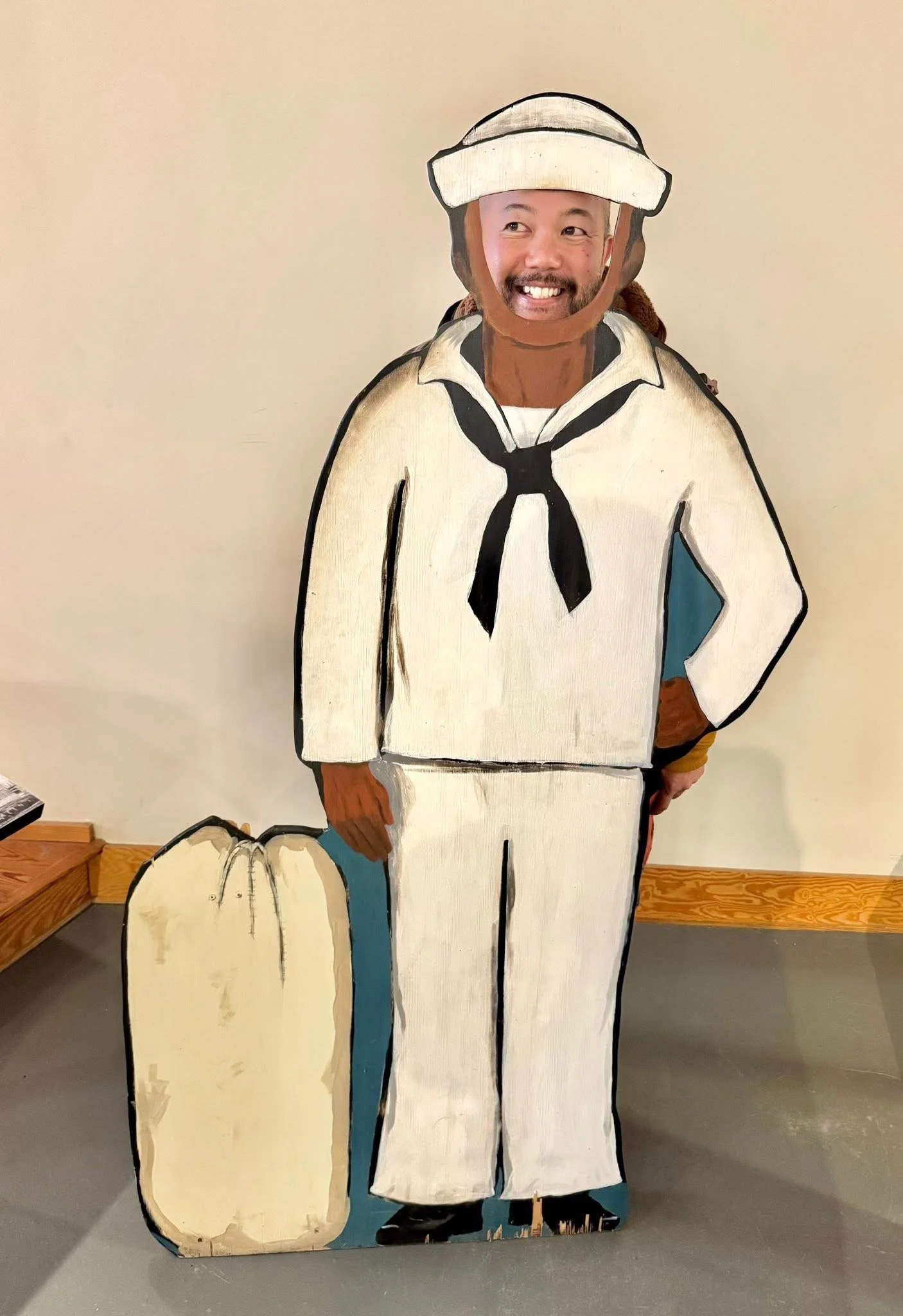
Here we explored the USS Constitution Museum and the surrounding historic shipyard. Seeing “Old Ironsides” still afloat — after more than two centuries — added a maritime layer to the story of Boston’s role in early American history.
A Tropical Turn: Tiki Night at Wusong Road
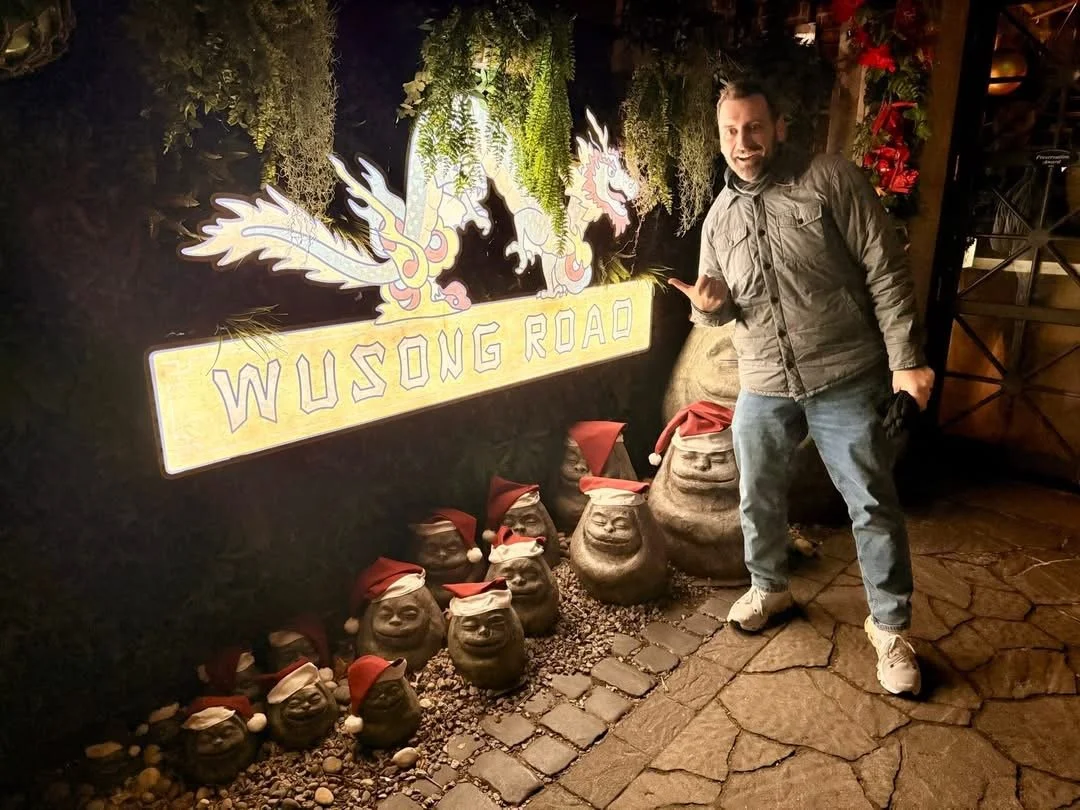
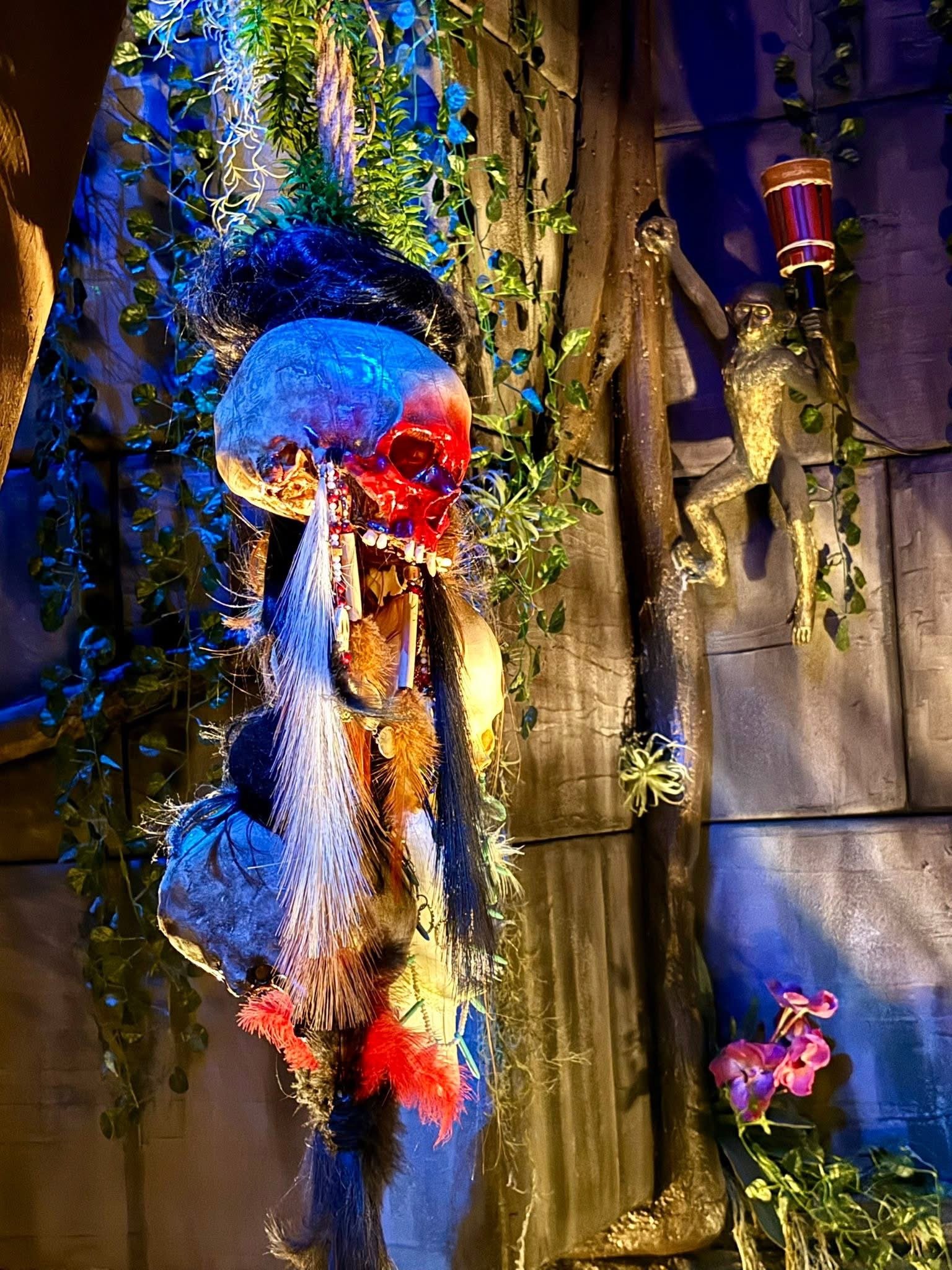
After a full day immersed in colonial history, we ended the evening somewhere completely unexpected — Wusong Road, a fully immersive tiki bar hidden in the city.
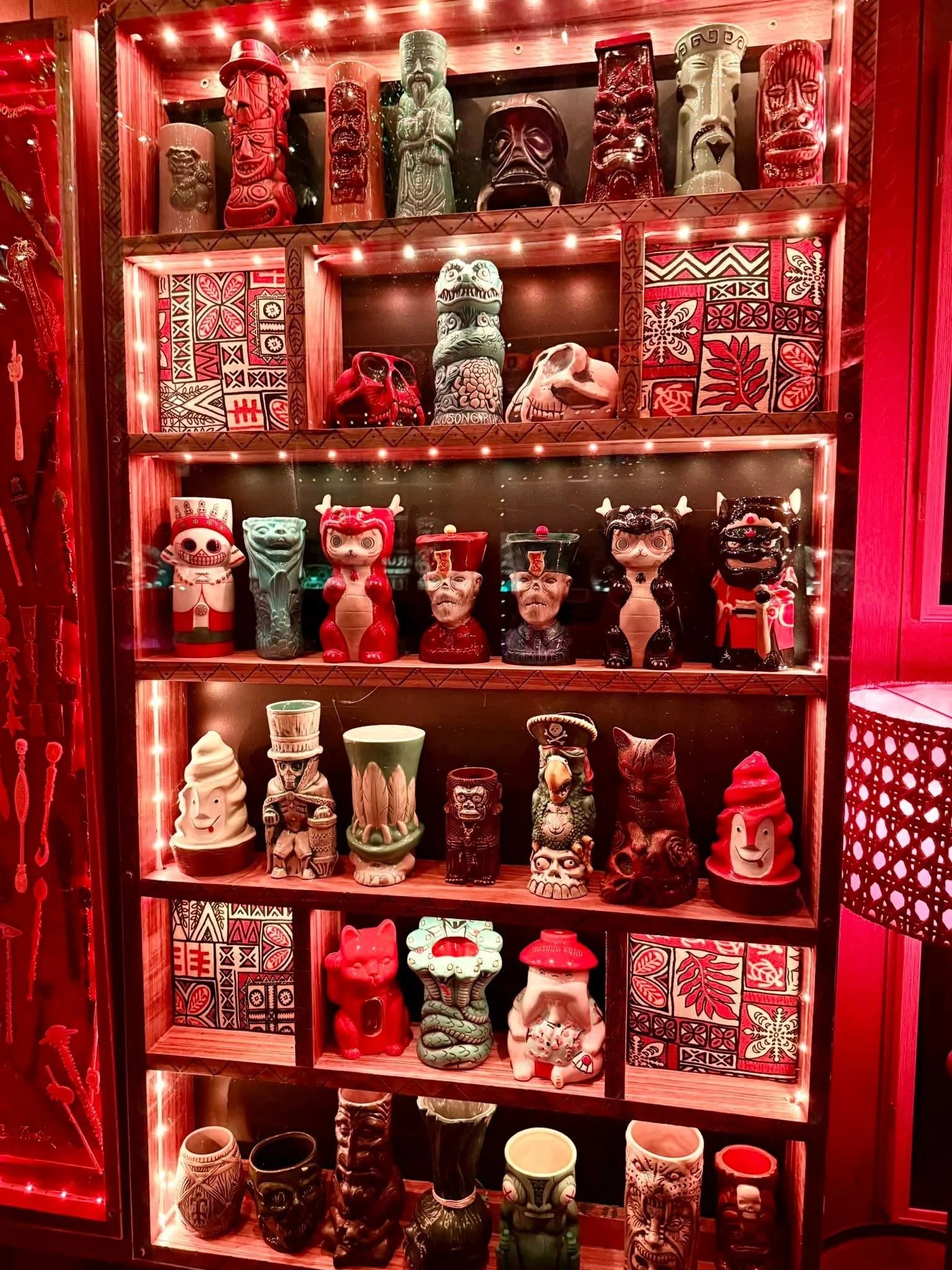
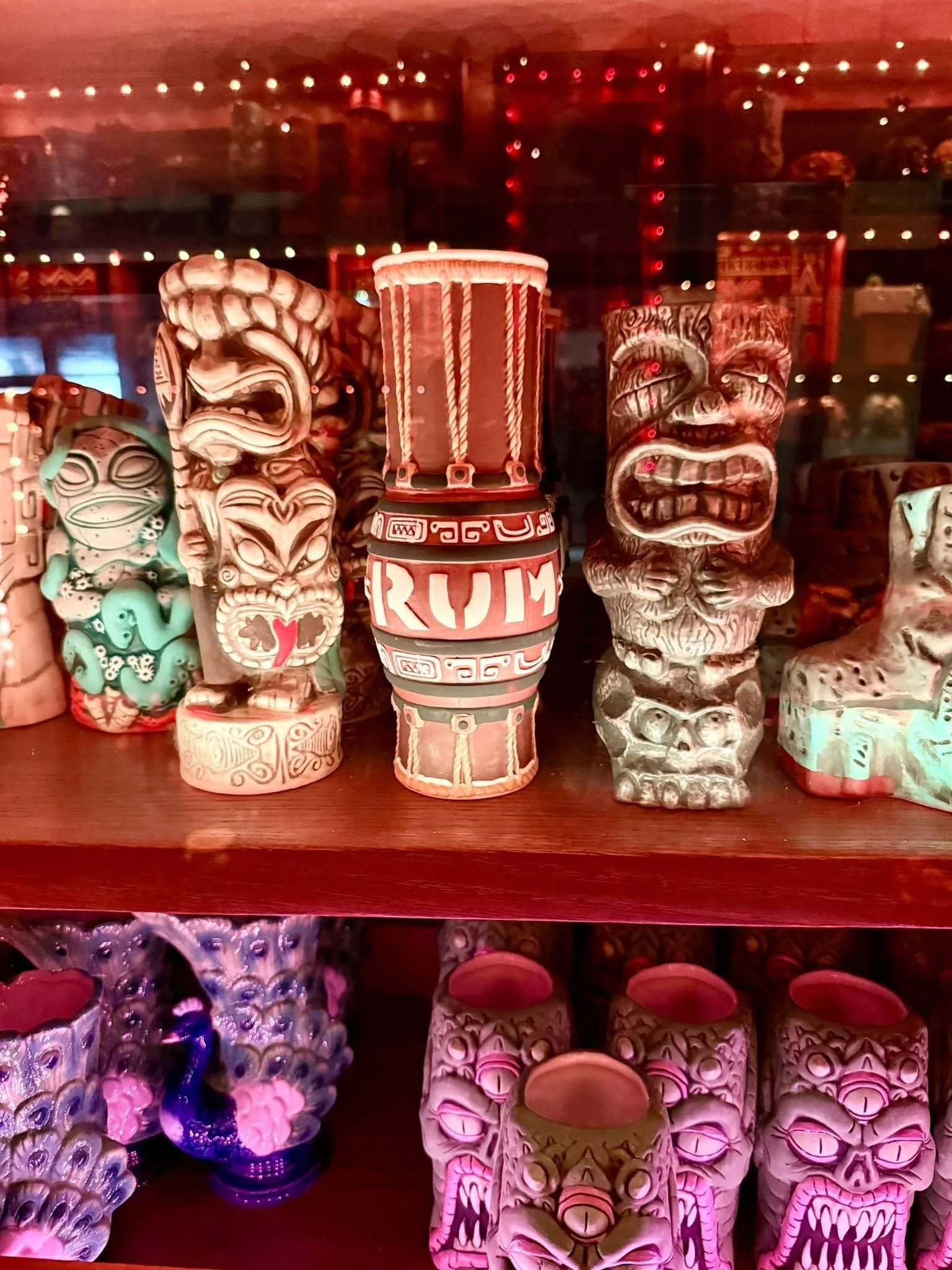
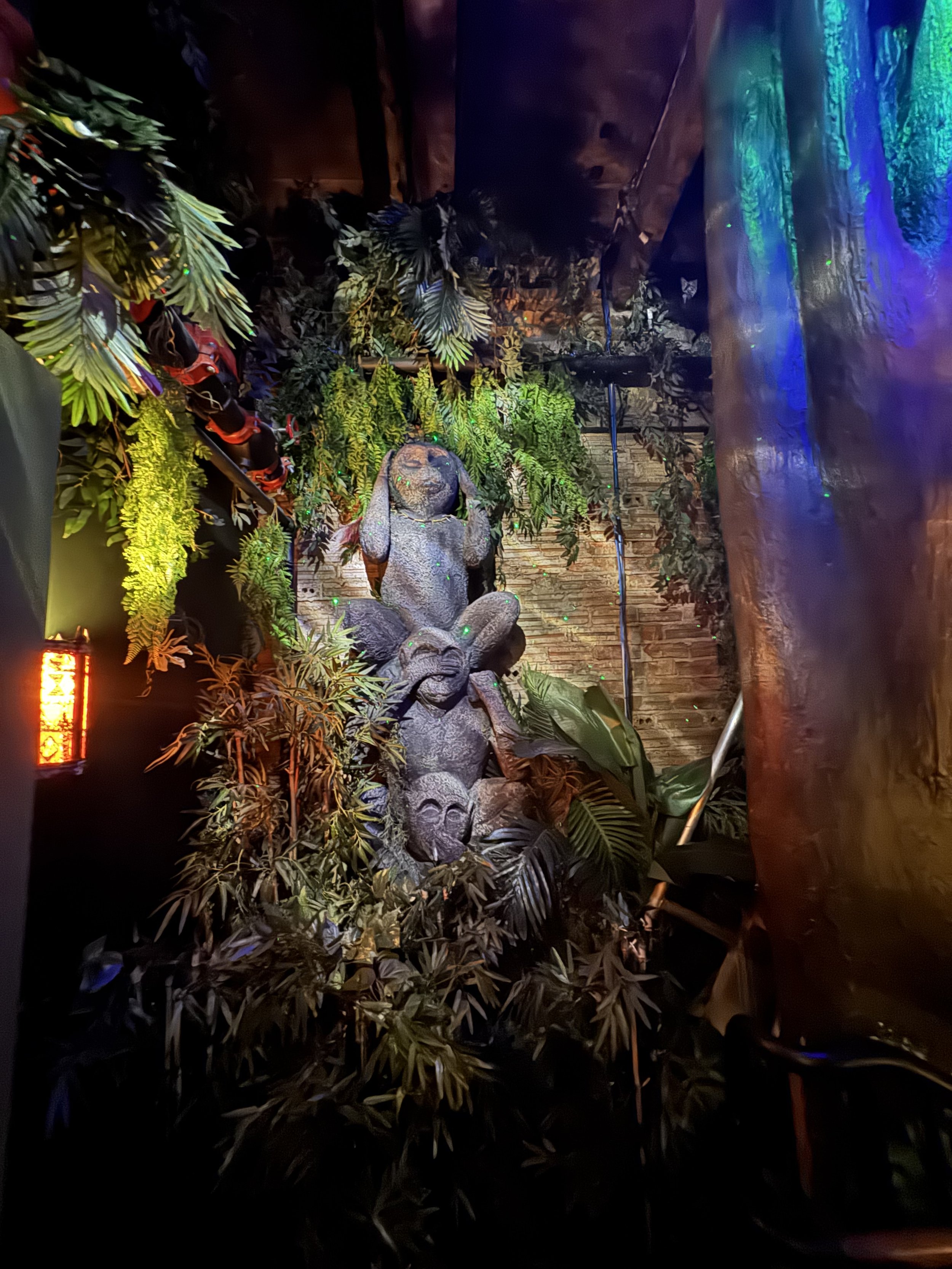
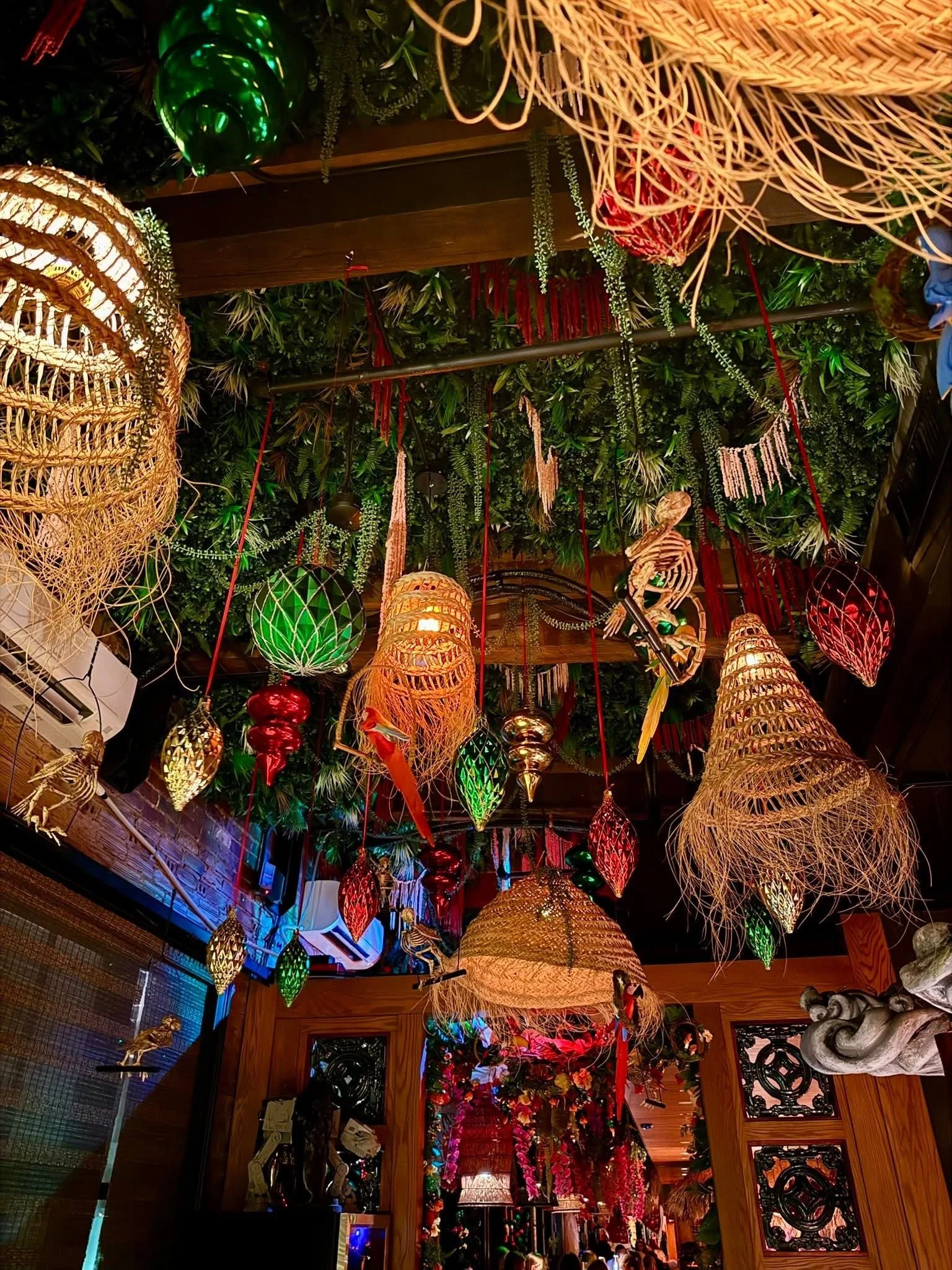
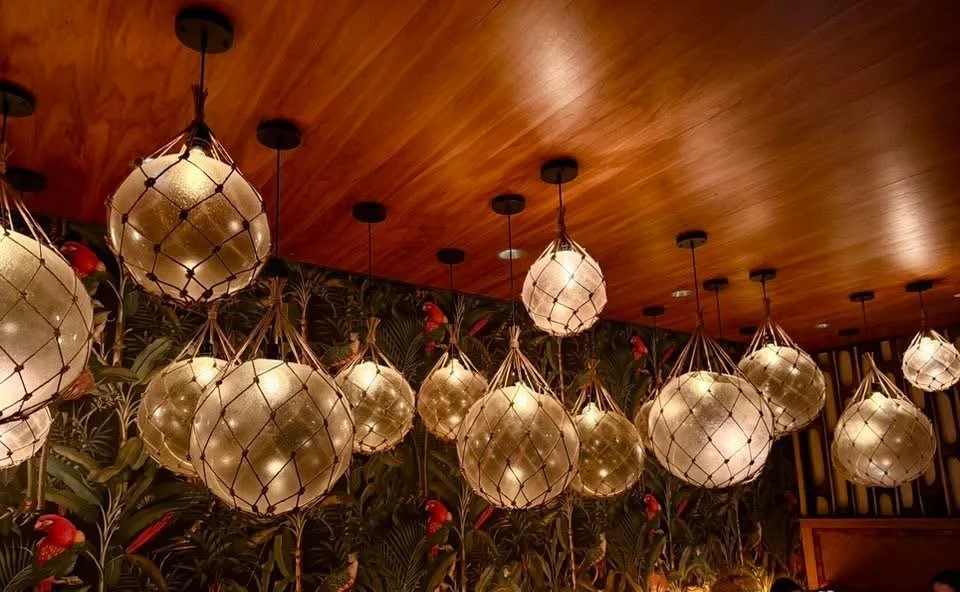
Stepping inside felt like crossing a threshold. The cold night outside disappeared, replaced by warm light, dense greenery, carved stone, and layers of texture everywhere you looked. Shelves of tiki mugs, dramatic lighting, and intricate details made the space feel transportive rather than gimmicky.
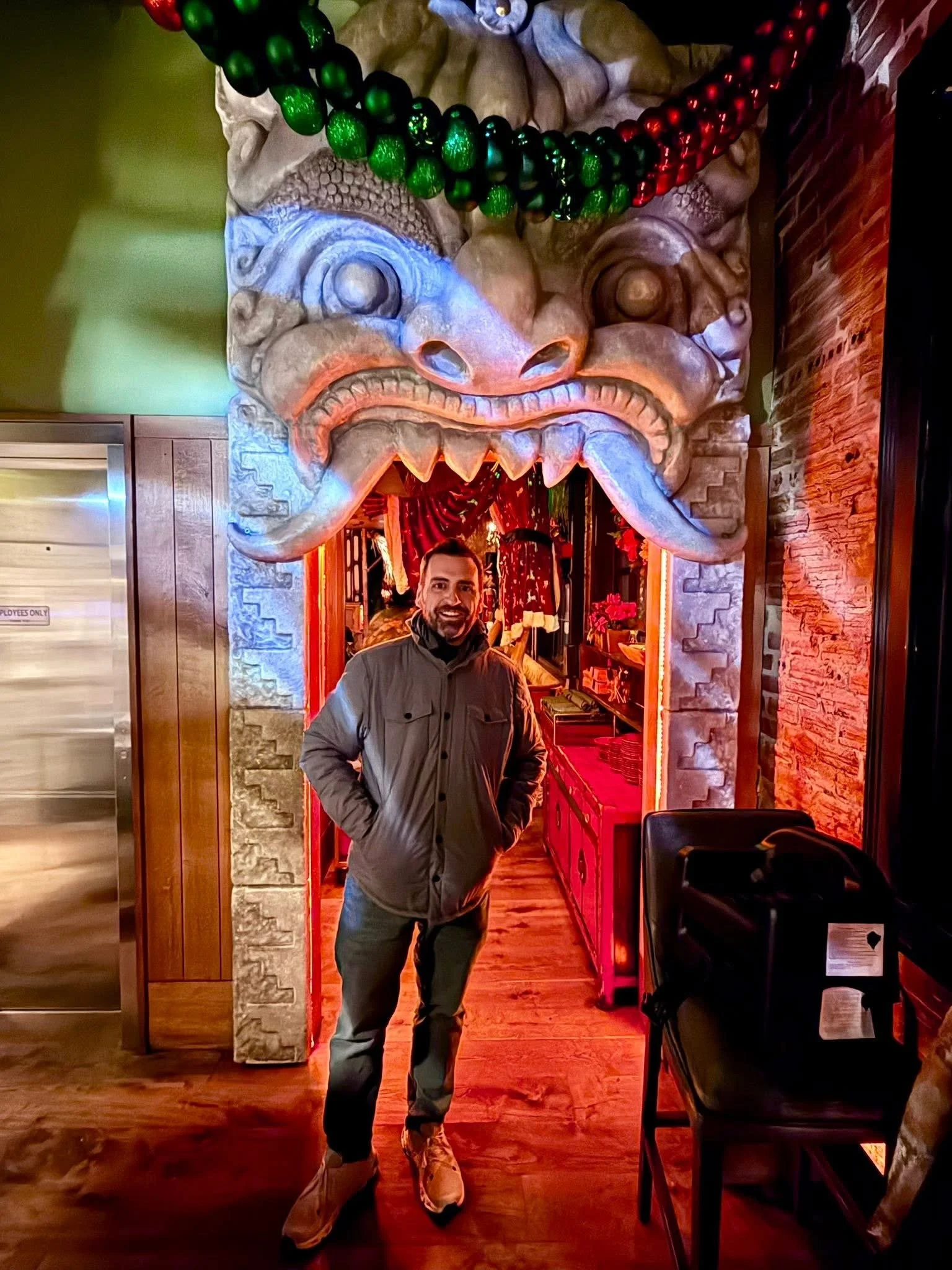
One of our favorite moments was walking through an entrance framed by a dragon-like stone carving, its open mouth forming a doorway deeper into the space. It felt ceremonial — like you weren’t just going to dinner, you were entering another world.
Final Thoughts
Boston gave us a full-spectrum kind of day:
Revolutionary debates and burial grounds
National Park stamps and historic ships
Seafood lunches in iconic halls
And finally, a tropical escape hidden in plain sight
Walking the Freedom Trail reminded us why we love traveling the way we do — slowly, on foot, and open to moments we didn’t plan. Boston doesn’t just tell its story; it invites you to walk through it.
If you love walkable cities, National Parks woven into daily life, and trips where history feels alive, Boston belongs high on your list.
For more information about the places we visited, check out the links below: